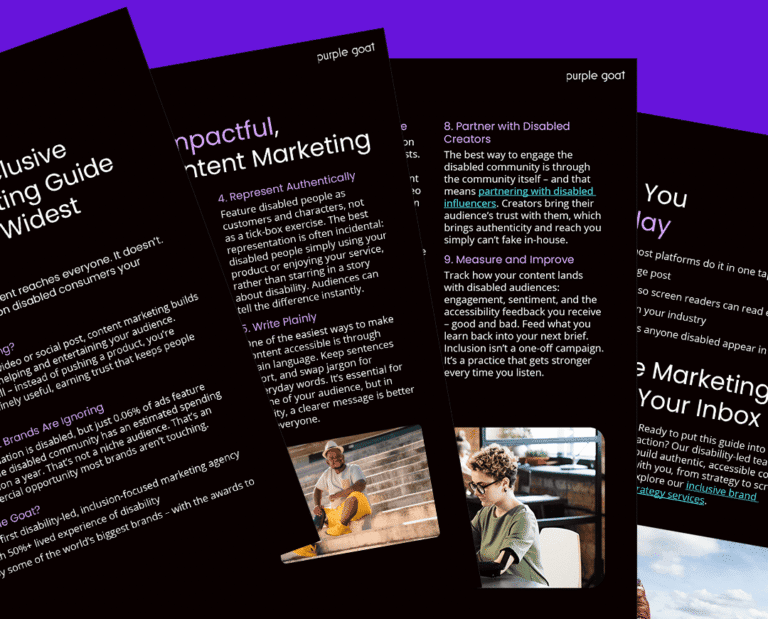
The Ultimate Inclusive Content Marketing Guide: Download Now
Learn how to create content that reaches your widest audience yet.


With over 8 billion people in the world, brands who don’t understand the diversity of their audiences and the best practices to market to them, are going to end up losing more than they think.
In this article, we’re going to take you through the what, the why, and the how of marketing to diverse audiences. But if you want more specific advice for your organisation, make sure to reach out to Purple Goat, the inclusive marketing experts.
Today’s consumers are more diverse than ever, from different cultures, disabilities, genders, identities, and age groups. Marketing to diverse audiences is no longer optional, it’s essential for any brand that wants to connect authentically and build lasting relationships.
If a consumer doesn’t see himself ,or the world around you, represented by a brand, there’s a high likelihood that they will choose a competitor that aligns with their values more. And due to the amount of businesses out there, more and more consumers are starting to think this way.
However, when brands embrace diversity, they demonstrate respect, inclusivity, and understanding, which are values that resonate with modern consumers. This not only builds loyalty but also helps your business stand out in competitive markets.
Inclusive marketing is proven to deliver stronger business outcomes. Campaigns that authentically reflect diversity often:
When your brand speaks to all audiences, you’re unlocking limitless growth opportunities.
In our latest INCLUDED event, Thinkbox CSO, Elliott Millard, was talking about the easy way in which companies can find the ‘inclusion gap’ in their audience. You can use data to segment your audience and uncover nuanced needs and preferences that shape purchasing decisions.
Representation must feel real. Avoid tokenism by ensuring your content reflects genuine cultural contexts, values, and lived experiences. Work with diverse creatives and ensure campaigns celebrate, not stereotype, the communities you’re trying to engage.
Did you know that Disabled creators outperform non-Disabled creators by 20.4%? Partnering with diverse creators allows your brand to connect with audiences in a more personal way. Don’t underestimate the power of inclusive influencer marketing!
Messages can fall flat if they ignore cultural context. Work with inclusive marketing consultants to tailor your campaigns so that they resonate with specific communities. But in the meantime, you can check out our language guideline to learn more about which words to use and avoid.
Different audiences engage on different platforms. Once you find out where your audience is, target it with the right messaging and content. Use a mix of social media, email, video, and offline experiences to make sure your message reaches people in the spaces where they feel most comfortable and seen.
Diversity in marketing isn’t a one-off project, brands need a roadmap to look into the future at what things they can be working on. Track results from your initial campaigns and refine your approach to ensure future activations remain relevant and respectful. Could you develop your strategy and make sure that your internal teams are trained in inclusion, for example?
Following on from the previous point, inclusion must sit at the heart of your brand, not just in seasonal campaigns. We all know engaging with the LGBTQIA+ community only during Pride isn’t the right or the smart thing to do. Embed diversity into your long-term strategy, create that roadmap we were talking about. From product development to customer service, ensuring your entire brand experience is inclusive.

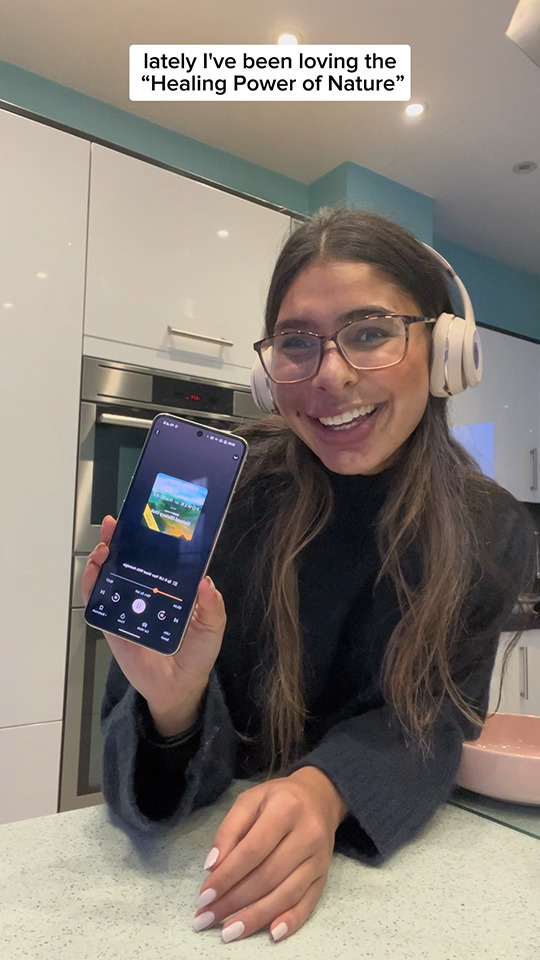
Purple Goat worked with Audible on their Hear and Now campaign, where they spotlighted underrepresented voices, elevating diverse stories and creators. This approach highlighted the brand’s commitment to inclusivity while connecting with a wider audience.

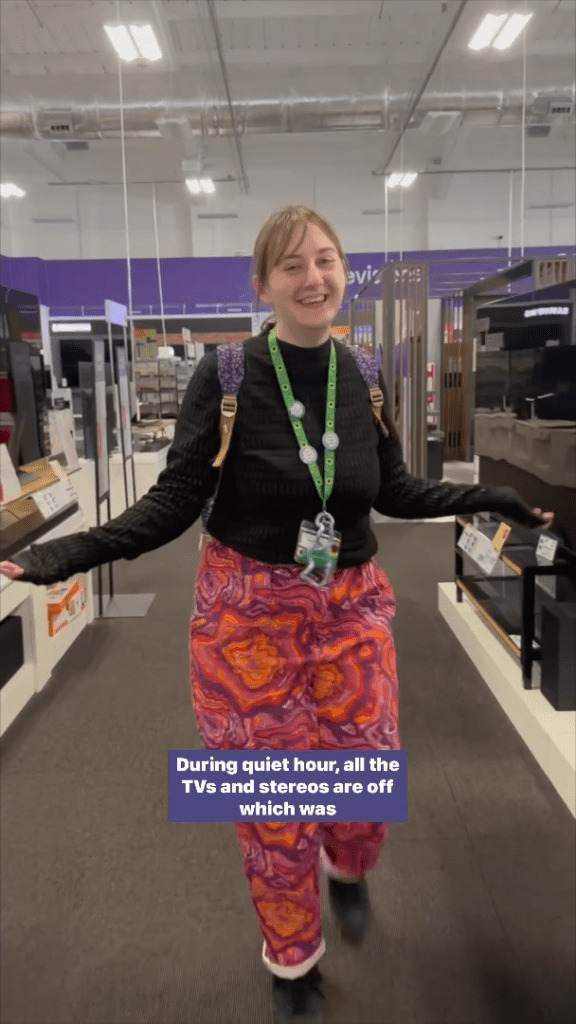
Currys’ No Worries campaign was an award-winning campaign that included relatable, everyday scenarios that engaged audiences in a fantastic way, showcasing how technology helps people in different ways. This built stronger brand relatability and engagement. Check out our case study and post campaign analysis video to learn more!

Brands like Nike and Dove have also pioneered inclusive marketing by celebrating body positivity, cultural pride, and authentic representation. These are clear examples of how even the biggest brands in the world see that inclusion drives both cultural impact and business growth!
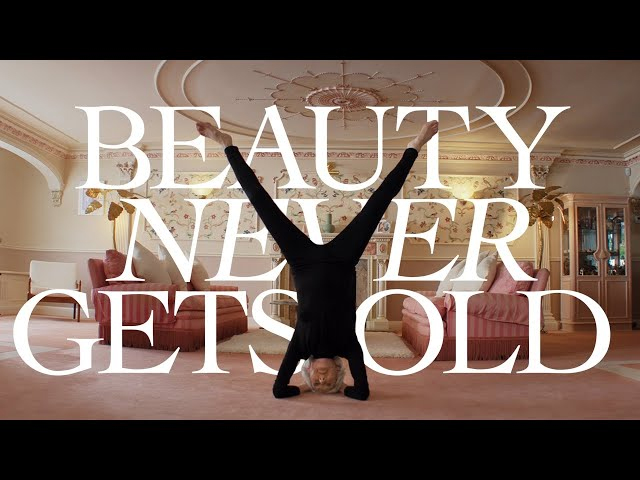
Influencer marketing becomes more powerful when it reflects real diversity. Read our insights on Diversity in Influencer Marketing.
Superficial diversity can damage trust. Learn how to avoid tokenism and create meaningful change in our guide on Diversity-Washing.
At Purple Goat Agency, we specialise in marketing to diverse audiences, helping brands authentically connect with communities through inclusive strategies, content, and campaigns. Whether you need consulting, campaign development, or audits, our team is here to help!
👉 Start your journey with our Brand Strategy & Consultancy Services and build a brand that truly includes everyone.
An example of diversity marketing is a campaign that authentically represents the wide range of people in the world. One example is Strongbow’s ‘Take A Bow’ campaign, which includes a diversity of people, from different genders and sexualities, to different disabilities and ethnicities.
Start with deep research to understand cultural values, collaborate with diverse creators, and ensure representation feels authentic. Working with specialised agencies, like Purple Goat, will make sure you’re creating something both authentic and powerful.
The three key components are:
1. Representation – ensuring campaigns include diverse communities
2. Authenticity – avoiding stereotypes and tokenism
3. Relevance – tailoring messages to resonate with cultural and personal identities