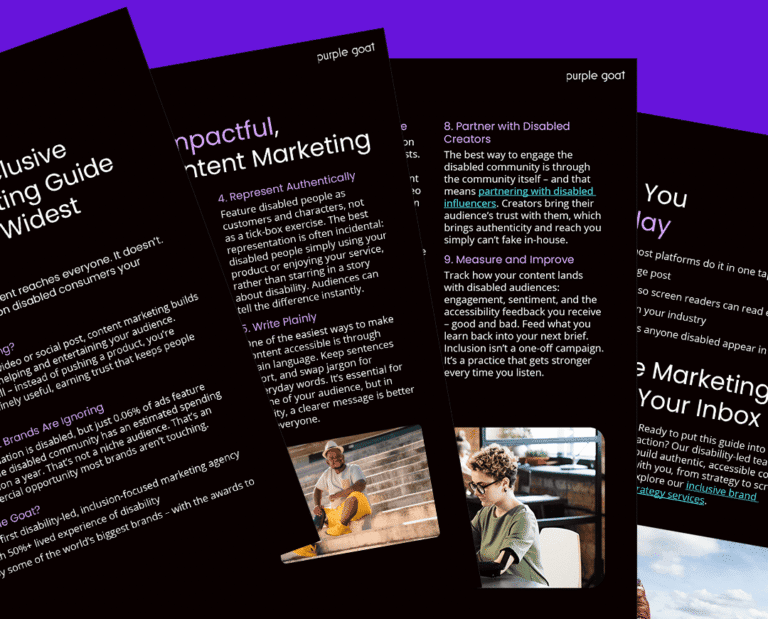
The Ultimate Inclusive Content Marketing Guide: Download Now
Learn how to create content that reaches your widest audience yet.
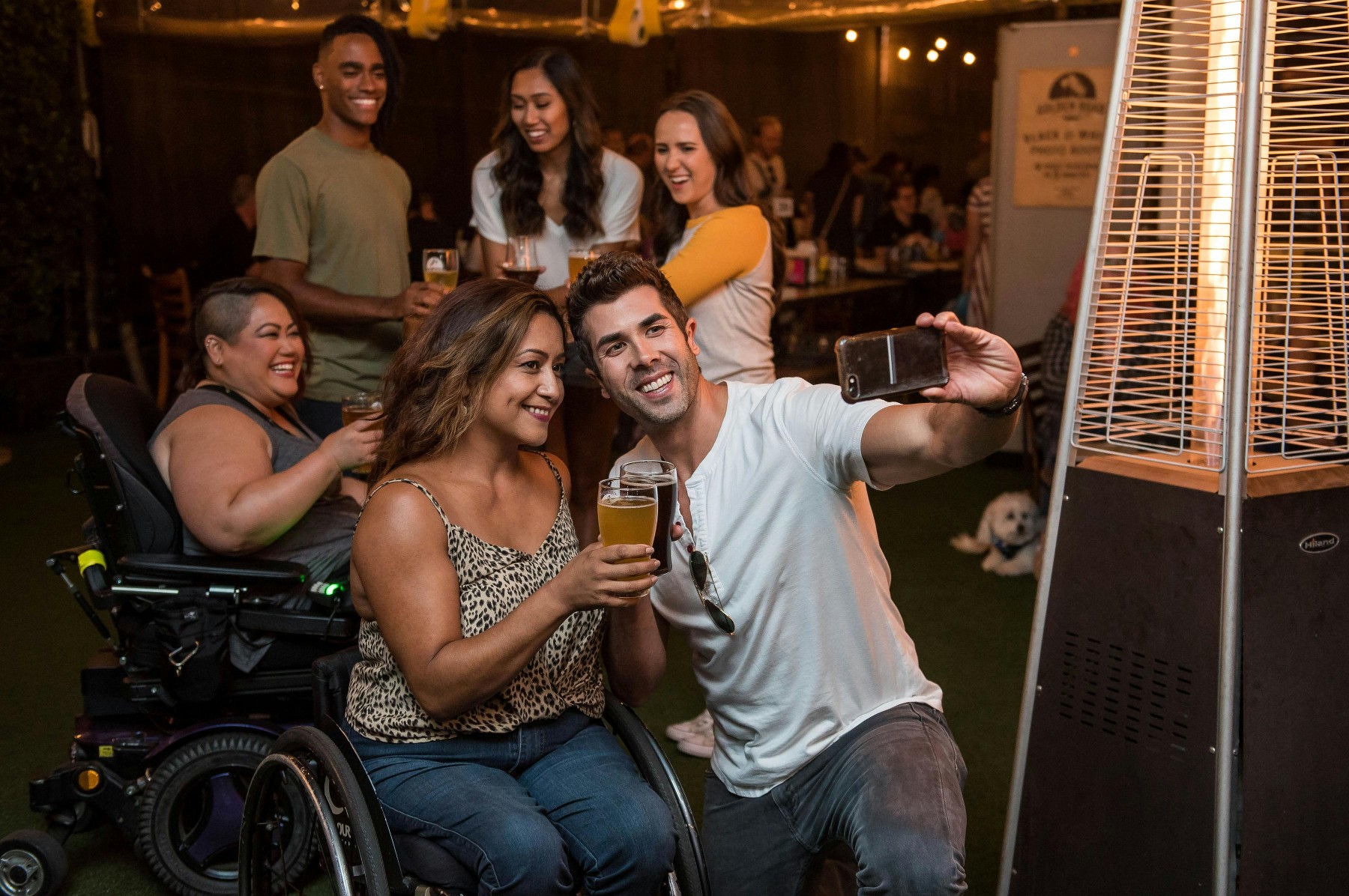
Disability awareness isn’t just about a single event or campaign, it’s an ongoing commitment to inclusivity and authentic representation. With approximately 1.3 billion people worldwide identifying as disabled, and the community being the largest minority in the world, there is an immediate need for businesses and organisations to prioritise accessibility and awareness in impactful ways. If you’re looking for exciting, innovative ideas to build a powerful disability awareness campaign, or making sure your next campaign has disability in mind, this article has you covered.
Disability awareness is about breaking down barriers—both physical and societal—that exclude disabled people from fully participating in everyday life. It involves education, advocacy, and policy shifts that champion accessibility and create a culture of inclusion. It means educating people on the importance of inclusion and the benefits it can bring to organisations.
While International Day of Persons with Disabilities and key dates like World Autism Awareness Day and Disability History Month bring attention to disability rights, true progress happens when awareness is woven into the daily operations and initiatives of a company. Year-round campaigns are the way to go as they ensure sustained impact and real change.
Furthermore, your audience will know that something is off if you only engage with the Disabled community once a year, and therefore, your brand-customer relationship will likely decline.

These are just some ideas that will help you foster an inclusive environment, create lasting change and make the most of your brand’s presence. If you want to learn more about specific things your company could do, make sure to reach out to the team of experts at Purple Goat.
Hand over your brand’s social media channels to disabled creators for a day or a week. Let them share their lived experiences, accessibility challenges, and wins, ensuring their voices are amplified authentically. But if you’re a brand, make sure they resonate with your values and are genuinely interested in your products!
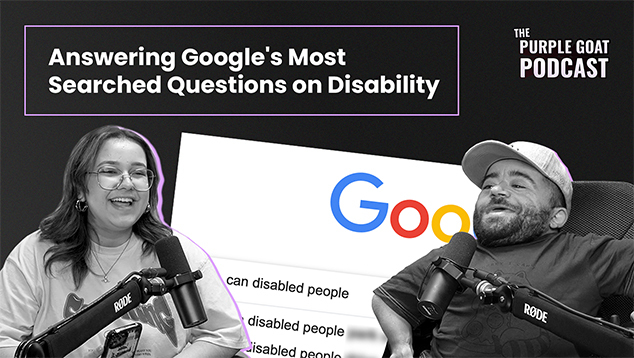
We love a good podcast (we even have our own one!), and they are a powerful medium for storytelling. If you have one, launch a series featuring disabled activists, professionals, and everyday individuals sharing their journeys, debunking myths, and discussing important topics within your industry.
Create an internal platform where disabled employees (and allies) can share personal stories, experiences, and insights about workplace inclusivity. If you’re worried, anonymity options can encourage more participation.
Offer training programs to help employees understand more about disability, workplace accommodations, and allyship. Partner with disabled consultants to ensure you get the best results.
Conduct an accessibility audit to assess barriers in your physical and digital spaces. Engage employees with disabilities in this process, and ensure it complies with accessibility standards.
There are plenty of disabled artists out there looking forward to working with you! Collaborate with them to create public art installations that highlight disability representation, or product launches that support the Disabled community. Things like interactive exhibits can also educate visitors about accessibility and inclusion in a creative way.
If you are in the sports industry, you can host accessible and inclusive sports tournaments, as well as adaptive activewear collections. Remember that sports are as important for disabled people as it is for non-disabled people!
Collaborate with schools and universities to run workshops on disability rights, accessibility, and allyship. Integrating these discussions into curriculums helps build awareness from a young age.
Create a documentary-style video series featuring disabled individuals discussing their lives, careers, and experiences navigating accessibility challenges. Make sure you work with disabled consultants and advocates to avoid any stereotypes or misconceptions while producing the series.
Work with disabled creators and allies to share their stories using a unique campaign hashtag and brief. This fosters engagement and provides an authentic perspective on disability awareness.
Host live Q&A sessions with disabled influencers, professionals, or activists to discuss disability-related topics, accessibility solutions, and advocacy within your industry.
Define the key messages and goals of your campaign. Are you raising awareness, advocating for policy changes, or fostering community engagement? Clear objectives ensure focused efforts.
Use engagement metrics, surveys, and direct feedback from disabled participants to evaluate your campaign’s success. Accessibility should always be at the core of everything you do.
Collaborate with disabled-led organisations, like Purple Goat, influencers, and advocates to ensure your campaign is genuine and rooted in lived experiences.
Tokenism, ableist language, and performative activism can derail even well-intentioned campaigns. Always center disabled voices and ensure your initiatives are backed by action, not just awareness.
Stay informed and integrate these important dates into your campaigns and social media calendar:
Neurodiversity Celebration Week: 18th-24th March
World Autism Awareness Day: 2nd April
Deaf Awareness Week: 5th – 11th May
Disability Pride Month: July
National Inclusion Week: 5th-21st September
Purple Tuesday: 4th November
International Day of Persons with Disabilities: 3rd December
Inclusion is not a trend—it’s a necessity. Whether you’re launching a new product, a corporate initiative, or a community-led project, ensuring accessibility and authentic representation should always be at the core. By implementing these innovative disability awareness campaign ideas, you’re not just raising awareness, you’re actively contributing to a more inclusive and equitable world.