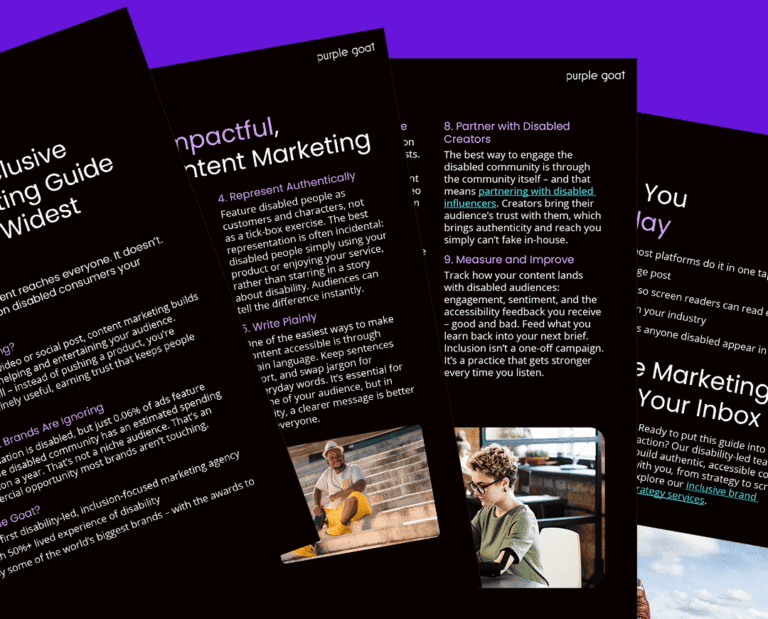
The Ultimate Inclusive Content Marketing Guide: Download Now
Learn how to create content that reaches your widest audience yet.

With the increased awareness in the advertising industry (and across industries) on inclusion and diversity, it seems like the fear around tokenism and being called tokenistic has equally increased. Companies are scared of being perceived as insincere, which in turn sometimes means doing nothing or something very surface level, due to fear or potential backlash. The reality is that authentic diverse representation will never be seen as tokenistic.
Let’s explore this topic and how brands can get the most out of inclusive marketing in an authentic way.
Tokenism is the practice of doing something with the only purpose of avoiding criticism and giving an alternative appearance. Something is tokenistic when the action is not followed by a true intention behind it, said action is usually centered around including minority groups, for example, in hiring practices or, in this case, in marketing representation.
Too often, brands would include individuals from underrepresented groups in their advertising solely to appear inclusive, rather than being genuine about it. This often results in shallow representation that does little to drive meaningful change.
Some examples of tokenism include:
True representation ensures that diverse voices are not only represented, but are meaningfully included in storytelling, decision-making, and resonates with the brand’s values. Tokenism, on the other hand, uses diversity as a performative strategy without real commitment.
Some brands might think it takes too much time and resources to be truly inclusive, when in reality being tokenistic or doing nothing at all, would cost the company way more than creating authentically diverse marketing.
Following what we were talking about above, many brands fall into tokenism due to:
Audiences today are more socially conscious and can easily identify inauthentic representation. Tokenistic marketing damages brand credibility and alienates potential customers.
By failing to engage meaningfully with diverse communities, brands miss out on the potential to build lasting relationships and grow their consumer base. For example, by not engaging with the Disabled community, brands miss out on $13 trillion disabled customers and their families spend every year, also called as the Purple Pound.
Tokenism can create a disconnect between a brand and the communities it seeks to represent, leading to a lack of trust and decreased brand loyalty over time. If you fail the community once, it’s going to be hard to gain their trust again.

Diversity should extend beyond marketing materials to the teams creating them. A homogenous marketing team may struggle to capture authentic narratives. Having diverse voices behind and in front of the camera is essential for a truly authentic inclusive campaign.
But don’t fear! There are many ways in which you can make sure your campaigns are truly inclusive and resonate with a diverse audience.
It all starts from within! Make sure you establish internal diversity guidelines and internal training. By having a team confident around all things inclusion and diversity will mean less issues long-term. Want to read more about how to overcome challenges around diversity training? Check out our post about ‘Diversity Training – Challenges & Best Practices.’
It is completely fine to recognise that you might not have all the answers. Partner with diverse influencers, creators, and community advocates. Their lived experiences will bring a unique perspective into your projects, avoiding any tokenism.
A simple way you can avoid being called tokenistic is doing more than just representation, support initiatives that benefit underrepresented groups, and foster long-term relationships rather than one-time campaigns, show your commitment to inclusion to your customers.
Want to learn more about the common pitfalls in inclusive advertising and how to avoid them?
Explore our free, inclusive advertising resource to spot the red flags, strengthen your strategy, and genuinely connect with disabled audiences.
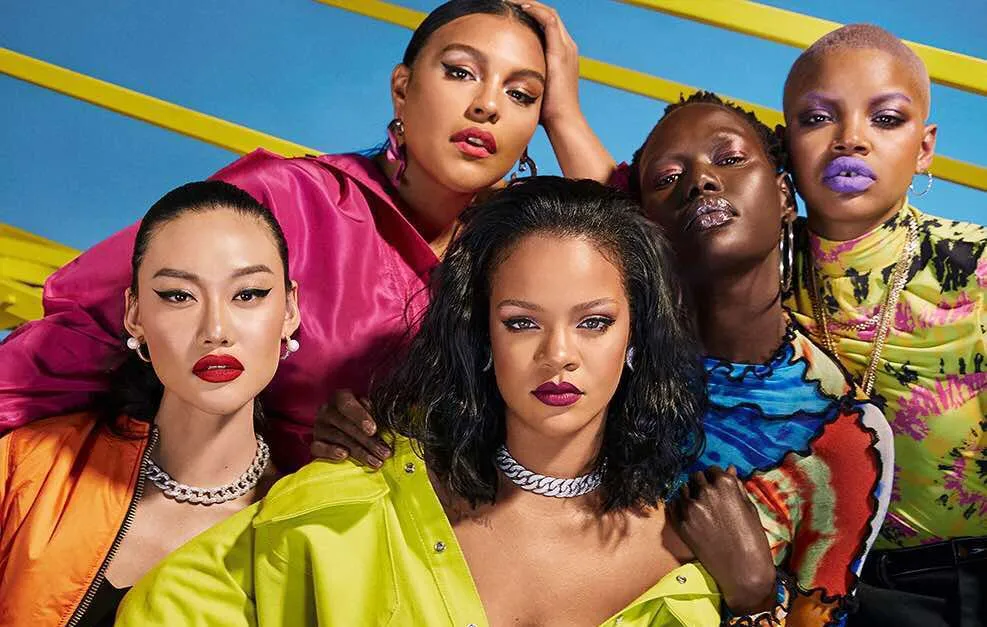
Companies like Fenty Beauty, Ben & Jerry’s, and Microsoft have led the way in authentic representation by embedding diversity into their core values and operations.
You can also check out some of the work we’ve done with brands like TUI, Strongbow and Virgin Media O2 if you want to see what you could achieve by working with experts like Purple Goat.
By moving beyond tokenism, brands can foster genuine connections, build trust, and create meaningful impact in the communities they represent. True inclusivity in advertising isn’t about checking boxes—it’s about authentic engagement, systemic change, and long-term commitment.
Why not start today? Contact us to see how we could help you!