The Ultimate Inclusive Content Marketing Guide: Download Now
Learn how to create content that reaches your widest audience yet.
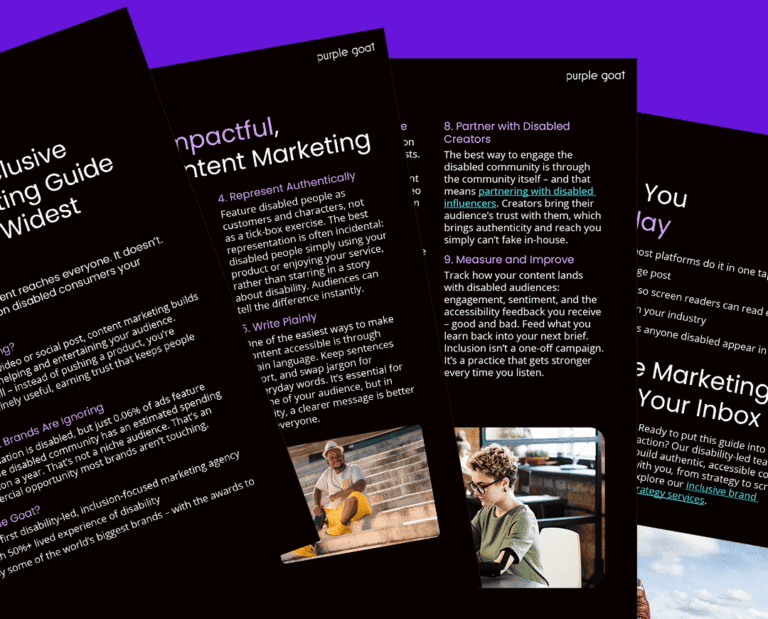

In today’s diverse marketplace, brands that fail to engage disabled consumers are missing out on a powerful and loyal customer base. Inclusive marketing isn’t just a nice-to-have, it’s a commercial necessity. This article explores how brands can engage disabled consumers authentically, driving impact and business growth.
We can’t talk about Disabled consumers without talking about the Purple Pound.
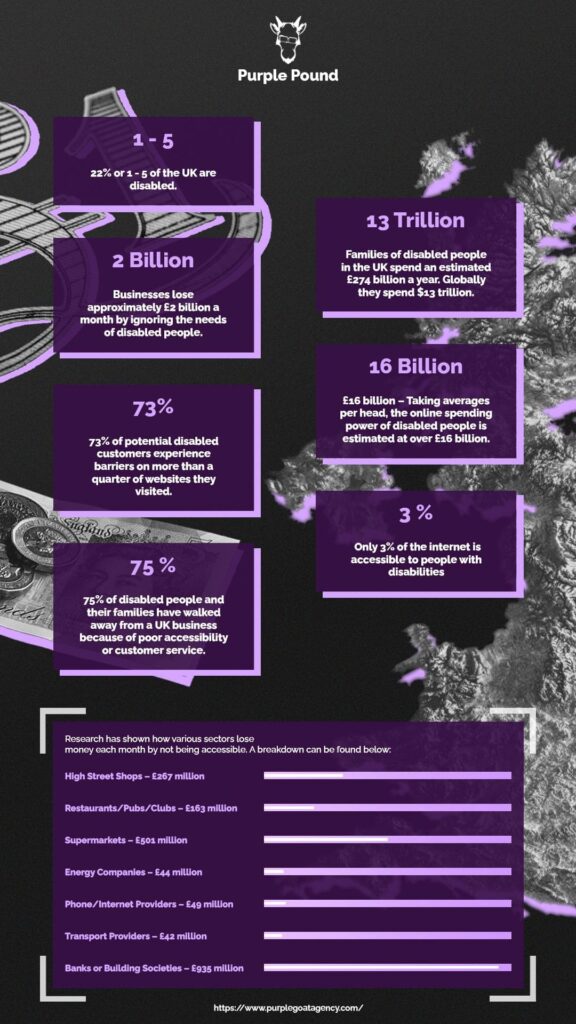
The “Purple Pound” refers to the spending power of disabled people and their households. In the UK alone, it’s valued at £274 billion a year, and if we look at the global figures, it is estimated at around $13 trillion. Smart brands will know that overlooking this audience means leaving serious money on the table.
“But why should I care?”
Disabled consumers represent one of the most underserved and overlooked demographics in marketing. Beyond the ethical imperative, there is enormous untapped commercial potential. They are brand-loyal, vocal, and expect better representation and accessibility from the companies they support.
Every day, more and more brands appear, the market is getting oversaturated and companies are trying to stand out from their competitors. This is also making consumers become more value-driven, if they have to choose between a wide range of brands, they are going to go for the one that aligns with their values. And especially the younger consumers have inclusion in mind, so if you’re not thinking about it, your competitors will.
These numbers highlight a clear message: inclusive marketing isn’t optional, it’s essential.
Many brands fall into the trap of generic messaging. Disability is not monolithic. Failing to tailor messages to reflect diverse lived experiences leads to disconnection and disengagement.
It’s important to understand the nuances in the community, like how only 8% of Disabled people are wheelchair users, as well as the amount of hidden disabilities that exist.
From websites without alt text to packaging that’s impossible to open, accessibility is often an afterthought. This exclusion can damage your brand’s presence and reputation, and cost you loyal customers. If you create something accessible from the beginning, it will benefit everyone, not just the Disabled community. It’s a win-win situation!
At Purple Goat, we often work with brands in influencer marketing campaigns, and working with Disabled creators is an amazing thing that companies can do. But it’s important to remember that featuring a disabled person in one campaign and calling it a day is not inclusion. True inclusivity requires long-term commitment, not one-off representation.
If you’re unsure how this would look like for your company, send us an email and we’ll help you out: info@purplegoatagency.com.
To create truly inclusive marketing strategies, involve Disabled people from the start. Organise a roundtable, co-create campaigns with the community, test product designs, and gather direct, inclusive market research and feedback. Nothing about us, without us.
Need inspiration to kick-start conversations?
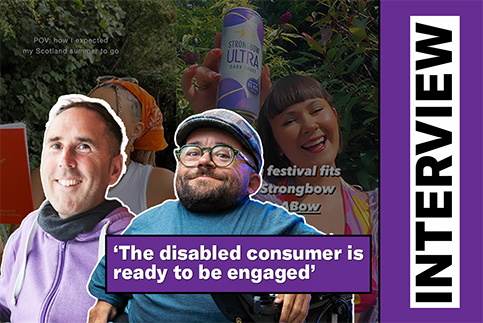
Check out our recent podcast in which Dom answers some of the most commonly searched questions about disability.
Work with organisations that specialise in inclusive marketing, like Purple Goat. They bring lived expertise, credibility, and connections to communities you may not reach on your own.

Use authentic portrayals of Disabled people. Representation should go beyond stereotypes, showcasing a diverse range of disabilities, identities, and lived experiences. Don’t forget about intersectionalities!
From accessible websites to stores with ramps and signage, make every touchpoint inclusive. Accessibility should be baked into your brand’s DNA, not bolted on.
Inclusive design drives innovation. Think of Microsoft’s Adaptive Controller, it wasn’t just accessible, it was a better product for everyone.
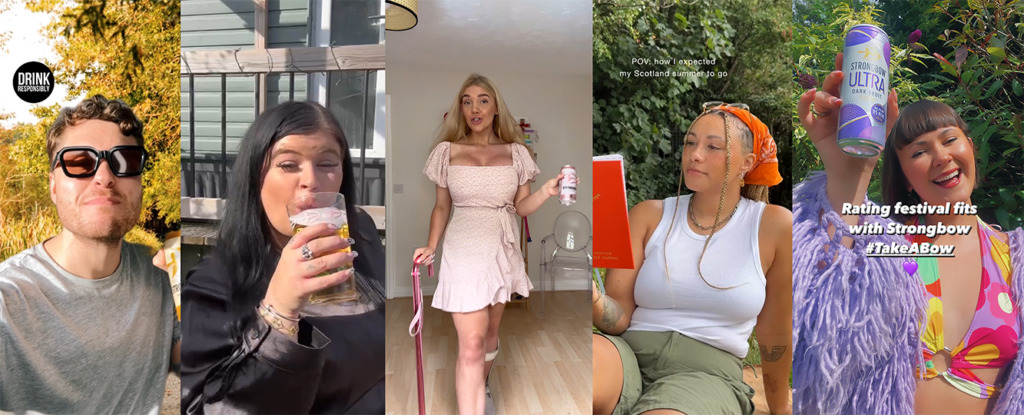
These brands succeed because they integrate inclusivity into core business strategy, not just marketing. They listen, adapt, and invest in accessibility and inclusion over time.
Websites, apps, stores, regularly audit all channels for accessibility. Use WCAG guidelines and include Disabled people to gain feedback.
Inclusion starts within. Hiring Disabled talent is essential, if they’re not in the room, how are you going to know how to do something authentically? They bring fresh perspectives and it signals authenticity to your audience. Similarly, you can also invest in some DE&I training for your teams so they feel confident around inclusion.
Invite feedback, act on it, and iterate. Show that you’re committed to learning and evolving. This builds trust and loyalty over time. Don’t be afraid to listen and change, that’s where the magic happens!
These simple steps can transform your brand for the better!
At Purple Goat, we’re a disability-led inclusive marketing agency that helps brands connect meaningfully with Disabled consumers. Whether you’re starting your journey or ready to scale your impact, we’ll help you do it right.