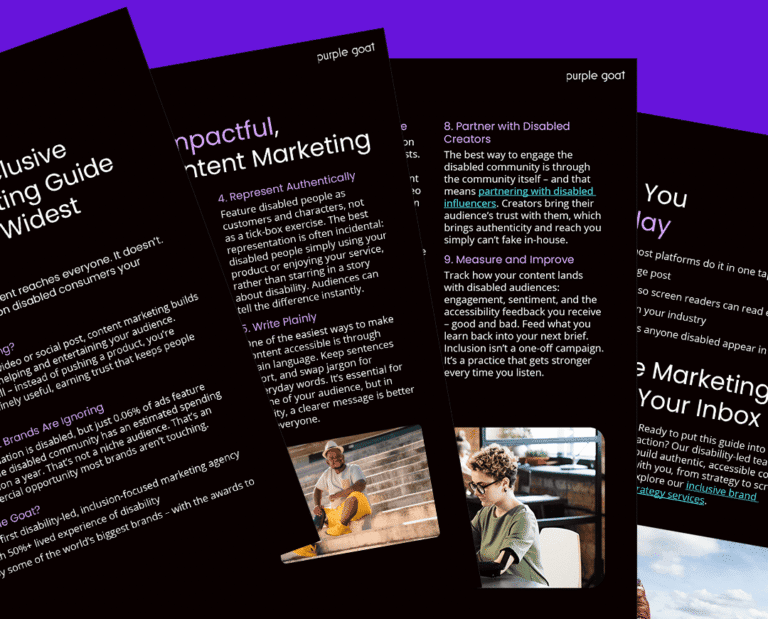
The Ultimate Inclusive Content Marketing Guide: Download Now
Learn how to create content that reaches your widest audience yet.

A lot of brands are aware of June being Pride Month, but not many know that July is the month when we celebrate the largest minority in the world: the Disabled community.
As July approaches, Disability Pride Month offers brands a meaningful opportunity to reflect, engage, and amplify voices from the Disabled community. Whether you’re just beginning your journey or are refining your inclusive marketing efforts, this article will help you create something impactful during Disability Pride Month and beyond!
Disability Pride Month is celebrated every July to commemorate the passing of the Americans with Disabilities Act (ADA) on July 26, 1990. Though rooted in U.S. legislation, its impact and relevance are global. This month honours the history, achievements, and identity of Disabled people, creating awareness, challenging stigmas and preconceptions, and calling for continued accessibility in all facets of life.
Furthermore, Disability Pride Month is an opportunity to celebrate the uniqueness and amazing qualities of the community.
Disability Pride Month is not just about awareness, it’s a time for brands to move beyond performative gestures and commit to tangible changes that uplift Disabled individuals and create change, not just during July but all year-round (the Disabled community still exists the other 11 months!).
According to the World Health Organization, over 1 billion people, or about 15% of the global population (24% in the UK), live with some form of disability. That’s a significant demographic, and yet, the Disabled community remains underrepresented in marketing, advertising, and comms, with less than 4% of TV ads including Disabled people.
Inclusive marketing isn’t just the right thing to do, it’s also the smart decision for your business. Campaigns that authentically represent diverse communities often experience higher engagement, brand loyalty, and social impact. When Disabled people see themselves reflected in your content, it builds trust, and trust is what turns interest into action!

One of the most common missteps brands make is tokenism, which in this case means superficially including a Disabled person in a campaign without any depth, context, or long-term strategy. True inclusion means going beyond a single image or campaign. It’s about embedding accessibility and representation into your brand’s DNA.
Ask yourself: Are we showcasing authentic stories, or using disability to check a diversity box? ✅
Creating beautiful, compelling content is meaningless if it’s not accessible. Failing to add alt text to images, using videos without captions, or designing websites without accessibility in mind, can alienate the audience you aim to include. Accessibility is a non-negotiable for your business.
Great content speaks to people, but it also needs to be readable by assistive technologies. We have plenty of articles on content accessibility, including on specific platforms like Instagram, TikTok, Facebook and YouTube, but here are some simple tips you can start implementing today:
And by the way, this benefits all users, not just those that are disabled! A win for both UX and SEO.
Don’t speak about the disabled community, work with them and amplify voices within it. Partner with disabled marketers, creators and consultants who can bring lived experience to your campaigns. This not only lends credibility but builds a richer, more nuanced narrative. Become comfortable with admitting you might not have all the answers, nobody is perfect, but working with the community will always help you create strong, creative and authentic narratives.
Your brand should not only engage authentically with Disability Pride Month in July, and other celebrations such as Disability History Month in December, but inclusion should be your priority all year round. Consider the following:
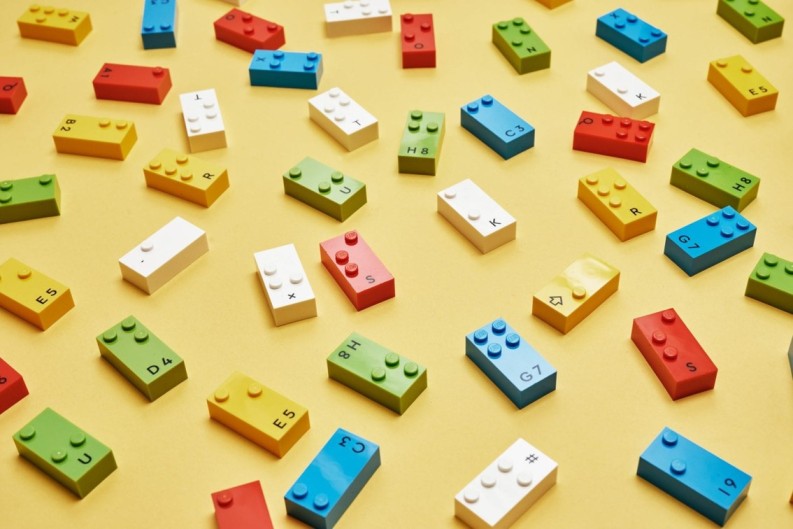
LEGO has made significant strides in disability inclusion. Their Braille Bricks help blind and visually impaired children learn through play. Additionally, LEGO stores offer sunflower lanyards, a discreet way for staff to recognise customers with hidden disabilities and provide additional support. And of course, we love their new range of disabled toys!
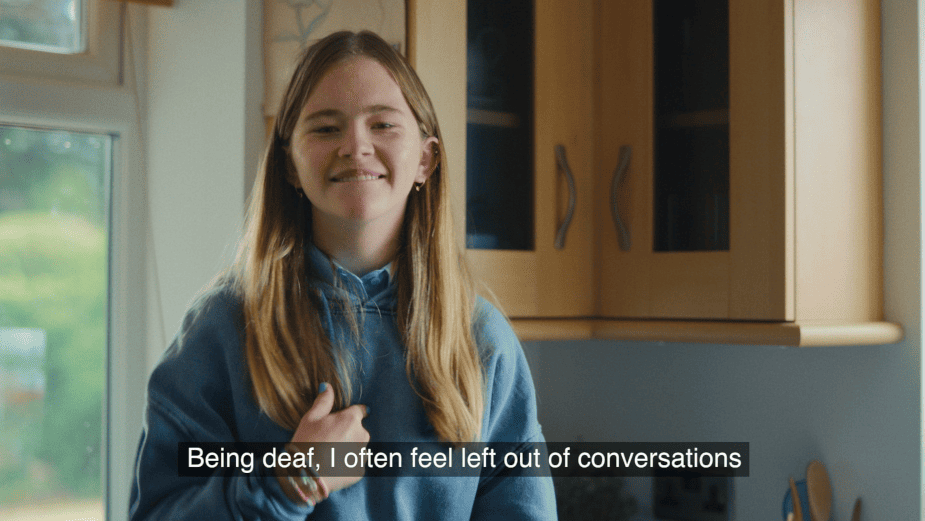
In its ‘Sign with Fingers Big and Small’ campaign, Cadbury, using their chocolate fingers, encourages people to learn British Sign Language (BSL) to help deaf individuals feel more included in everyday conversations and shared moments. A really powerful campaign!
Representation needs to exist in front of and behind the camera. Ensure your hiring practices are:
Inclusivity is a learning process. Offer regular training on disability and accessibility to your team. Consider bringing in Disabled consultants to lead workshops or consult on internal processes. At Purple Goat, we’ve helped some of the biggest brands in the world become more inclusive and confident around disability starting from the inside!
Don’t let campaigns fade after July. Keep the momentum going by:
At Purple Goat, we help brands connect authentically with the disabled community through inclusive, data-driven campaigns. Whether you’re launching your first inclusive campaign or refining a long-term inclusion strategy, we offer the insights and creative expertise to guide you. Start reaching new audiences and a powerful untapped market today!
The Disability Pride Flag, redesigned in 2021 for better accessibility, features a grey background with diagonal stripes in five muted colours: red, yellow, white, blue, and green, representing the different disability groups in the community.
– Red: Physical disabilities
– Gold: Neurodivergence
– White: Invisible and undiagnosed disabilities
– Blue: Mental health
– Green: Sensory disabilities
Ableism is discrimination or social prejudice against Disabled people. It stems from the belief that non-disabled people are superior and often results in marginalisation or exclusion.