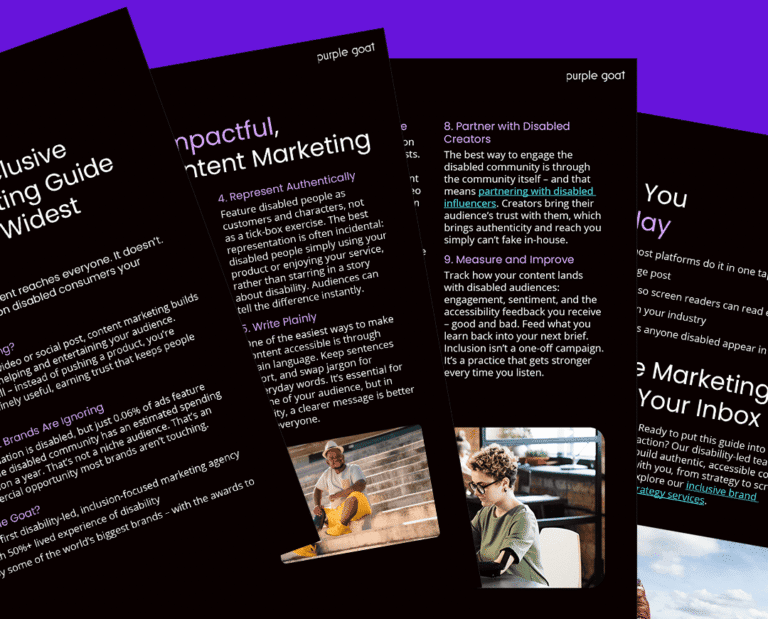
The Ultimate Inclusive Content Marketing Guide: Download Now
Learn how to create content that reaches your widest audience yet.

Representation is everything.
Whether it is the latest Neflix show or a new campaign from one of the biggest brands in the world, audiences are seeking more than just entertainment, they want to see themselves reflected in the stories being told and the images being shown. And even though things have improved in the last few years, there is still a lot of work to be done in this area.
For example, there are 1.3 billion people in the world that hardly ever see themselves authentically represented in the media. This statement on its own should be shocking to anyone who reads it, but the disabled community is still largely underrepresented.
The reality is that, too often, disability is either overlooked or misrepresented, contributing to harmful stereotypes and misconceptions. How many times have you seen a disabled character portrayed as a villain, the inspiring hero, or even the miserable character? There is so much nuance around disability, and the media should showcase all the facets of the community.
As we push for more diversity and inclusion in media, it’s essential to address disability representation with the same urgency we apply to other forms of underrepresentation.
This article dives into why disability representation matters, the challenges involved, and practical steps media professionals and brands can take to approach it thoughtfully and authentically.
Representation in the media shapes how society feels about different groups of people. In the case of the disabled community, an untruthful portrayal can feed into the outdated narrative around disability, and further alienate them from broader societal conversations. On the flip side, positive and authentic representation has the power to change perceptions, break down barriers, and encourage acceptance and equality.
The mainstream media has an immense influence in the world. For disabled people, seeing themselves truly represented can foster a sense of belonging, while also creating positive emotions towards the brand, company or show that is portraying them.
However, representing the disabled community is not just the right thing to do, it’s also the smart thing to do for any business. Customers want to see themselves and others represented in the media.
Added to that, a study by the Ruderman Family Foundation found that only 22% of disabled characters on TV were portrayed by actors with disabilities, reinforcing the gap between perception and reality. Authentic representation ensures that people with disabilities can own their narratives, influencing societal attitudes and fostering inclusivity.

When it comes to disability representation we often see some of the same mistakes being made. But don’t panic if you think your company might be committing some of these, one of the things we always say at Purple Goat is that it’s always better to do something than nothing at all, and we’re here to hand hold you through this process!
Addressing disability representation requires intention, effort, and a commitment to authenticity. Here are some practical steps for approaching disability representation in the media.
One of the most important rules when approaching disability representation is to avoid stereotypical portrayals. Disabled characters should not exist solely for inspiration or pity. Instead of reducing their identity to their disability, create characters who have well-rounded personalities, dreams, flaws, and stories that extend beyond their condition. Yes, they might have a disability, but that’s not the most important thing about them.
The best way to understand where those stereotypes come from?
Hear disabled people answer the questions people are too afraid to ask.
Example: Isaac from Sex Education.
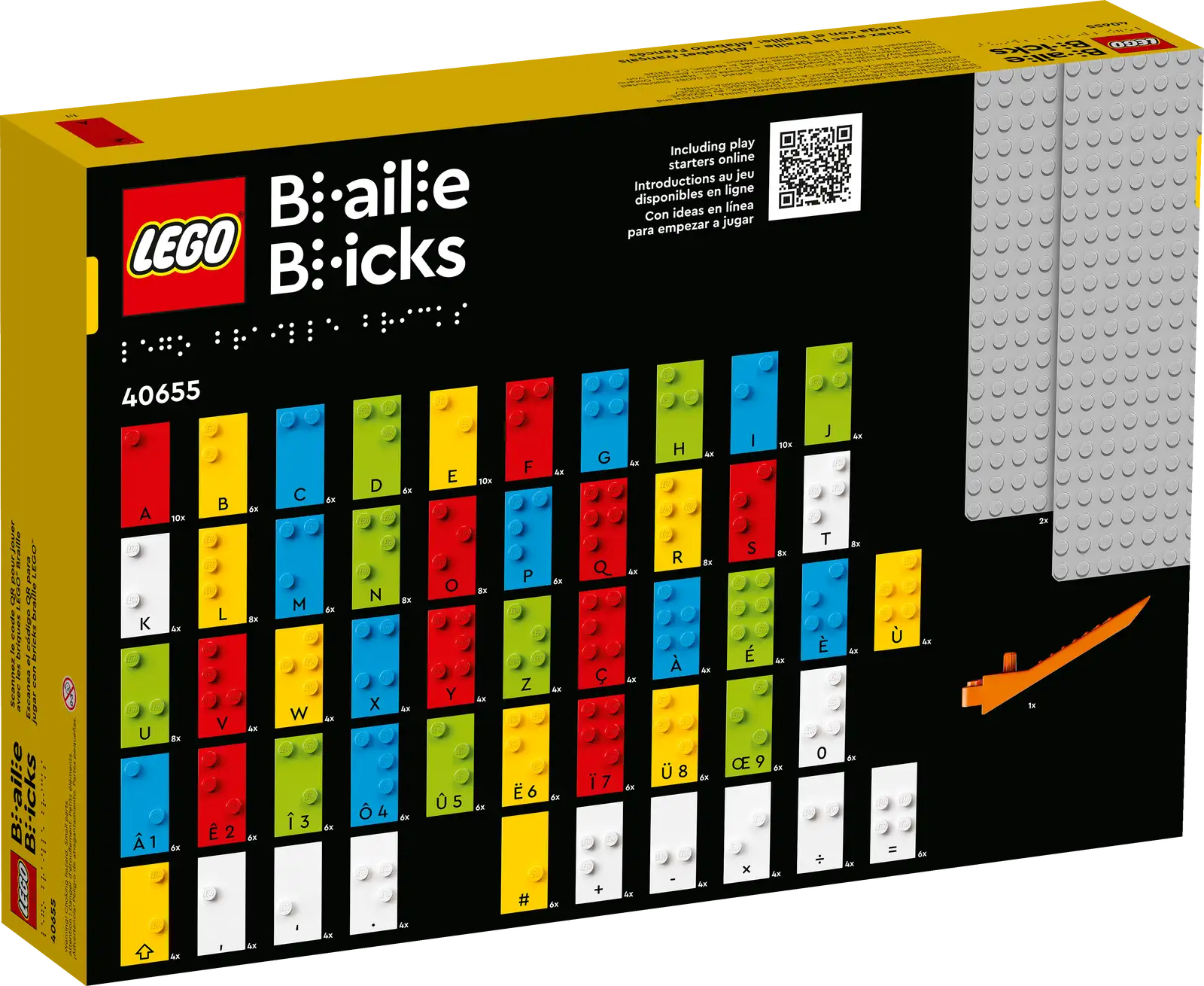
To avoid telling inaccurate stories about the disabled community, or creating an unauthentic portrayal of diversity, make sure to have disabled people in your team, and work with organisations like Purple Goat. Having people around with lived experiences of disability will help you understand the community better, and create something really exciting and progressive.
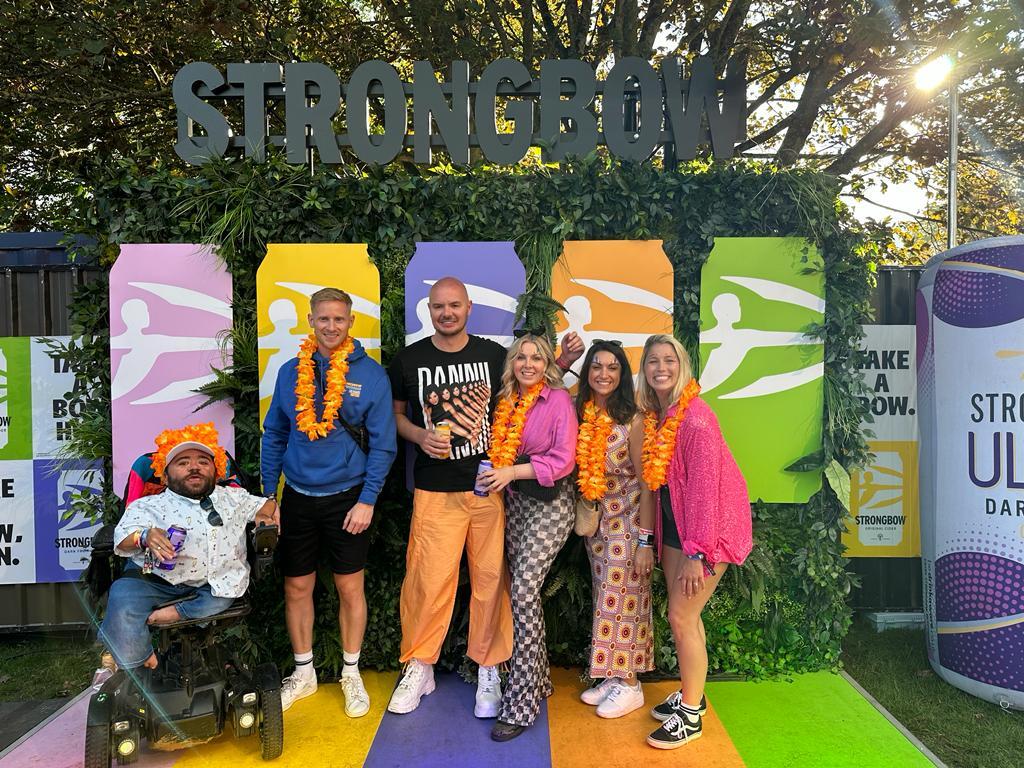
To avoid being called tokenistic, aim for genuine commitment to inclusion and representation. Hire disabled actors to play disabled roles, consult with disabled writers, directors, and consultants, add disabled creators and models to your campaigns, etc. Make sure it’s not just a one time thing, but inclusivity is embedded into every part of your company.
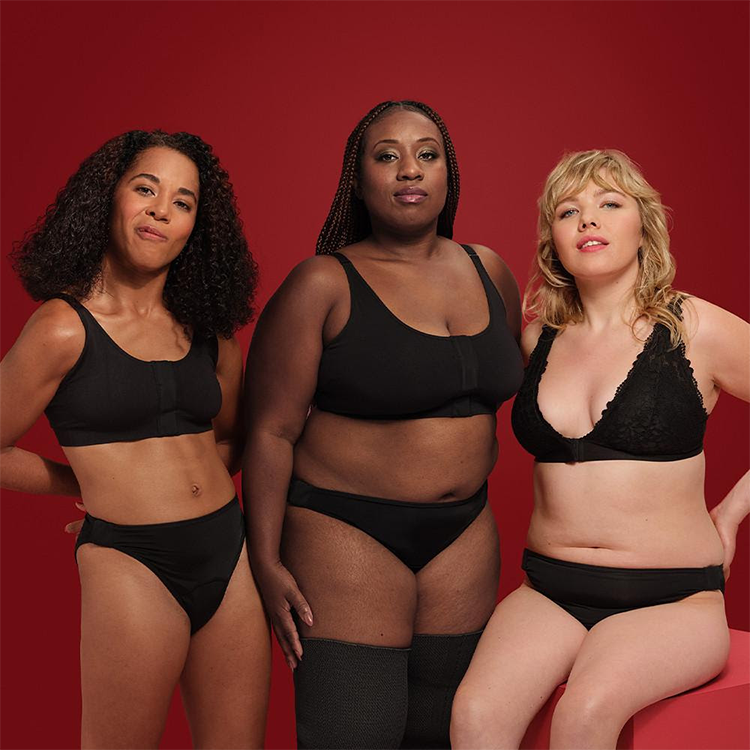
Positive disability representation isn’t just good for social justice—it’s good for business. As brands increasingly look to align with values that matter to younger, socially-conscious consumers, representation can be a powerful tool for growth.
It’s time to truly represent the world around us, and there are companies out there who have the power to do this. Let’s leave behind all the outdated narratives around disability, and look at inclusion as an exciting thing to tap into.
There are many benefits of creating authentic disability representation in the media. Getting it right can deepen connections with the audience, enhance brand reputation, and foster a culture of innovation and inclusivity, among many other things. But it’s important to work with the community to avoid any stereotypes or backlash. Companies like Purple Goat work with all types of brands to create a more inclusive and authentic media industry. So make sure our reach out to them if you’re ready to start your inclusion journey!