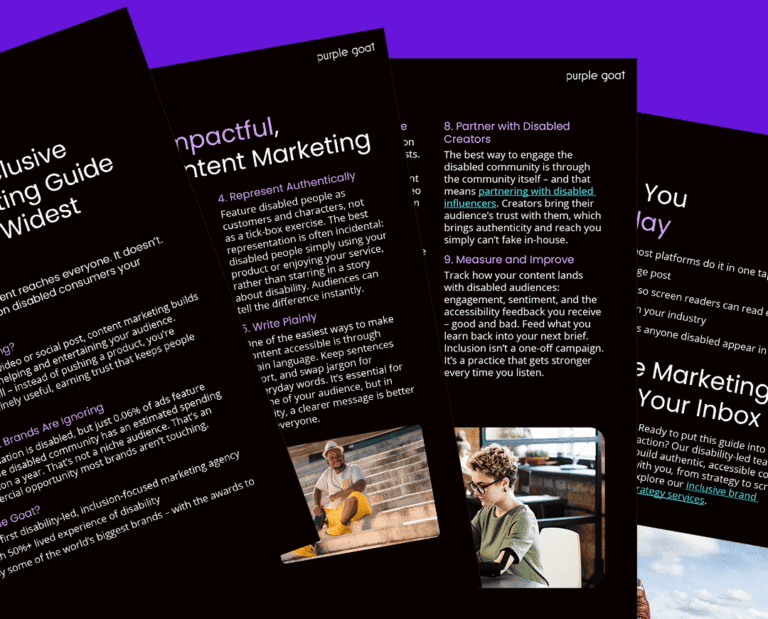
The Ultimate Inclusive Content Marketing Guide: Download Now
Learn how to create content that reaches your widest audience yet.


Brand equity is one of those marketing terms everyone nods at, but not everyone truly unlocks.
At its core, brand equity is about how people feel about your brand, what they believe it stands for, and how that influences the choices they make. It’s why some brands are loved and trusted more, while others are ignored or replaced.
For marketing professionals, brand equity isn’t a “nice to have”. It’s essential for growth. And in today’s world, where consumers expect brands to show up with purpose, clarity and inclusion, brand equity is built, or broken, by the experiences you create for them.
Brand equity is the value your brand holds in the minds of consumers. It’s shaped by their experiences, perceptions and emotional connection with your brand, it’s not just what you say, but what you consistently do.
If I ask you to think about a beauty brand that makes good blushes, you might have one in mind. I can think of Rare Beauty, because of its focus on accessibility, or Refy, with its commitment to community. In short, brand equity is the difference between being chosen and being forgotten.
Brand equity has evolved. It’s no longer built solely through big campaigns or recognisable logos.
Today, brand equity is influenced by:
Strong brand equity makes everything easier, for example:
Weak brand equity does the opposite. It creates friction between brand and consumers, increases spend, and leaves brands vulnerable in moments that matter most.

Brand equity is built through a set of connected elements, each one shaping how people think and feel about your brand.
Brand awareness is about being known, but more importantly, being remembered for the right reasons.
Inclusive marketing expands awareness by making sure your brand is visible and accessible to everyone, not just the default audience many campaigns still cater to.
Want to explore the common pitfalls in inclusive marketing and learn the practical steps to avoid them?
Check out your free resource: Inclusive Advertising: Common Pitfalls and How to Avoid Them
These are the ideas and emotions people instantly link to your brand. For example, do they associate you with:
Those associations are more powerful than you think, and they’re built over time through consistent action!
Perceived quality isn’t just about how well a product works. It’s about how easy, intuitive and inclusive the experience feels.
For Disabled consumers, accessibility plays a huge role here. If something is difficult or exclusionary, quality is instantly questioned.
Loyalty grows when people feel understood.
Brands that consistently show up create emotional loyalty that goes far beyond repeat purchase.
Distinctive brand assets help protect and strengthen equity. Increasingly, accessibility-led innovation is becoming one of the most valuable differentiators a brand can have.
Positive brand equity is built when brands:
When people feel respected, they reward brands with trust and loyalty.
On the other hand, negative brand equity creeps in when brands:
With positive brand equity, consumers:
With negative brand equity, they:
Brands that invest in inclusive design and representation often see stronger advocacy and long-term loyalty. Apple, for example, is not just selling us phones and laptops, there is a whole lifestyle associated with the brand and its products. They’ve created an exclusive feeling that makes customers want to pay their prices, no matter how high they are (did you know that 46% of consumers are willing to pay more for a brand they trust?). And accessibility is always at the forefront of everything they do.
However, brands that ignore accessibility frequently face reputational damage, sometimes even overnight. We don’t like to name and shame here at PG, but you can probably think of a few examples of companies that have faced the consequences of not being transparent or inclusive. This doesn’t mean that they cannot recover from it though! People can change and so do companies, and making sure you have the right people in the room is always a good place to start.

Disabled consumers represent a HUGE, loyal and often underserved market as the largest minority in the world, with an annual spend of over $18 trillion. Yet many brands still fail to design experiences that work for them (no access or inclusion, no money spent there).
When brands get inclusion right, disabled consumers notice. And they respond with:
Inclusion builds emotional connection, the strongest form of brand equity, and this works as well for B2B strategies.
Exclusion damages more than revenue. It erodes trust across all audiences.
Accessibility gaps send a clear message, and it’s rarely the one brands intend.
Brand equity isn’t built overnight. A consistent, long-term strategy creates trust and recognition, especially when inclusion is baked in from the start.
Strong brands know what they stand for, and show it through action. Don’t be afraid to be forward about your values and commitments, consumers want to relate to you and want to see that they guide your decisions across the company.
Every interaction matters. When experiences are inclusive by design, perceived quality and trust rise naturally. Make sure your team feels confident about disability with proper DE&I training!
Listen, learn and respond. Brands that listen to their audiences, including disabled consumers, and improve day by day, build loyalty that competitors struggle to break. Forge genuine connections with a wide range of audiences through authentic marketing.
Consistency creates confidence. That includes consistent accessibility, tone and experience wherever your brand appears. Are you working with a diverse range of creators? Are your website and your social media content accessible? Do you have access in mind for your brand events?
The strongest brands don’t hide their inclusivity and commitment to accessibility! It’s no longer a compliance box, it’s a brand advantage.
Track:
Listen to how people talk about you:
Traditional frameworks still matter, but the brands truly leading the way are evolving them to include inclusion and accessibility signals.
Consumers expect more. And brands that don’t evolve will feel the impact, and fast.
Inclusive brand strategy isn’t future-facing anymore. It’s current, commercial and essential.
Purple Goat helps brands turn inclusion into real brand equity, shaping brand values and experiences that influence consumers’, including disabled ones, thoughts, feelings and actions.
Discover how Purple Goat can support your brand strategy 👇