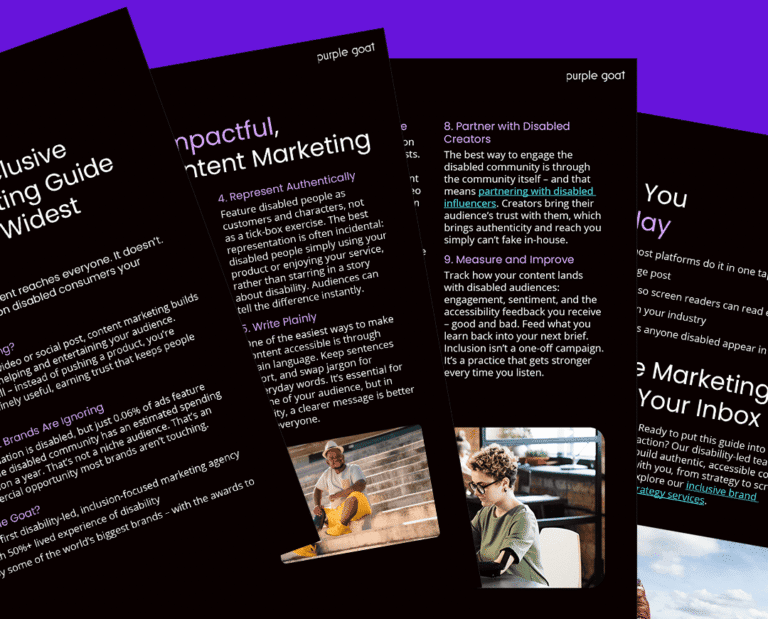
The Ultimate Inclusive Content Marketing Guide: Download Now
Learn how to create content that reaches your widest audience yet.
Inclusive marketing is no longer optional, it’s essential.
As brands seek to authentically connect with broader audiences, considering neurodiversity is a powerful way to build meaningful engagement and ensure no one is left behind. This blog will explore how your marketing strategy can become more inclusive for neurodivergent audiences, offering actionable advice to create real connection and successful results for your brand!
Neurodiversity refers to the natural variations in how human brains function. It encompasses a range of conditions including autism, ADHD, dyslexia, dyspraxia, Tourette Syndrome, and more. Rather than seeing these differences as deficits, they should be embraced as part of human diversity.
In marketing, this means understanding that different people process information in different ways, and content should be created with those variations in mind. And similarly, Neurodivergent people also want to see themselves represented authentically by brands. It’s not just about representation, but it’s important to remember the power that seeing oneself represented can have on your customers.
Understanding these needs helps marketers design more inclusive experiences from the start.
Neurodivergent individuals make up a significant portion of the global population. The Disabled community (which a lot of neurodivergent people consider to be a part of) is the largest minority in the world. Inclusive marketing not only aligns with ethical practices but also opens doors to underserved markets. By fostering accessibility and genuine representation, brands can earn trust and loyalty from diverse communities.
Neurodivergent users often benefit from clear, consistent structure. Use:
This improves comprehension and navigability for all audiences, not just neurodivergent users!
Visual content helps clarify and reinforce key messages. Incorporate:
Avoid flashing animations or overly cluttered layouts, which may overwhelm or distract neurodivergent viewers, and make sure you are using good colour contrast in your graphics, without being too bright or saturated colours, as those can be overstimulating to some people in the community.
Being neurodivergent is very nuanced, and it’s important to consider different lived experiences. The best way to make sure your content resonates with everyone is by providing different versions of it.
This multi-modal approach boosts accessibility and enhances reach!
PG Super Tip: As a social-first agency, we know the best ways to make sure your social content is as accessible as possible. A simple example is when you create a reel showcasing a day in the life at your company, you can also create a carousel with some text going through some more information there. That way, you are providing your audience with multiple ways to engage with your content, and they can choose whichever one works best for them. Also, it would mean being smart and inclusive about repurposing your content 😉
As we briefly mentioned above, clear, simple language helps ensure your message is understood. Avoid idioms, sarcasm, or overly complex metaphors. Instead:
Intuitive design is key. Make navigation predictable and minimise cognitive load by:
Interactive tools such as quizzes, sliders, and drag-and-drop elements can enhance engagement. Ensure these tools are:
Gamified experiences also appeal to many neurodivergent users, just keep instructions straightforward.
Nothing replaces authentic insight from the community. Involve neurodivergent creators, consultants, or focus groups early in campaign development to:
We often work with brands on insight projects to create powerful campaigns, make sure to check out how we do it and some of our case studies.
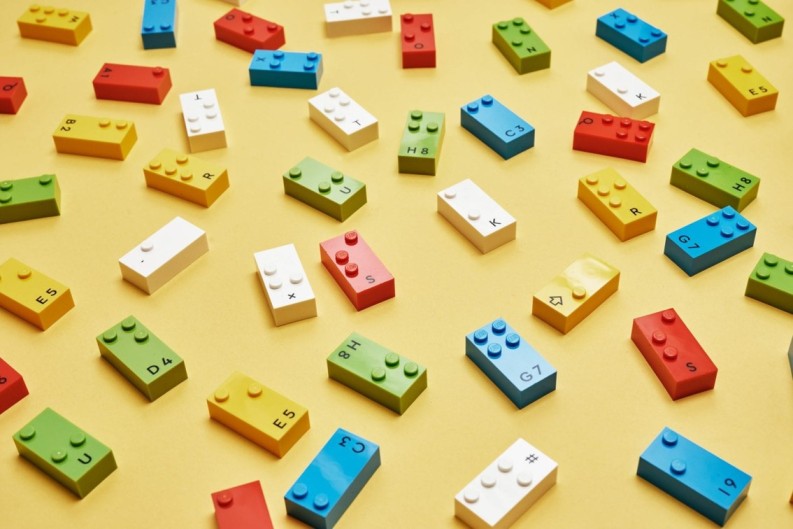
LEGO created Braille Bricks to help visually impaired children learn through play, demonstrating how inclusive design can drive product innovation and engagement.
Microsoft’s accessibility-focused ads featured neurodivergent employees and highlighted adaptive technologies, reinforcing the value of representation and functional design.
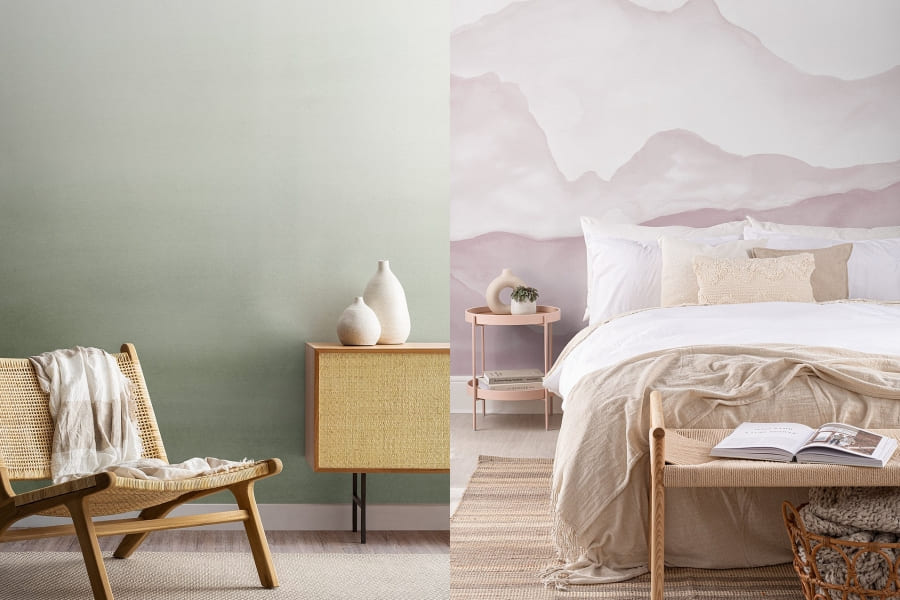
The wallpaper company, collaborated with the National Autistic Society to create sensory products for autistic children and adults. The team at Hovia then created four unique wallpaper designs, featuring gentle blue, green, neutral and pink colours, aimed at reducing visual stimulation for those who experience hypersensitivity.
When marketing to neurodiverse audiences, avoid:
And when in doubt, consult neurodivergent individuals directly. As we always say: “Nothing about us, without us.”
Your brand may also benefit from inclusive research to make sure your products and services are designed to meet the needs of neurodivergent consumers.
Use accessible feedback tools:
Ask about usability, content clarity, and representation.
At Purple Goat Agency, we specialise in inclusive marketing that speaks to every part of your audience. Whether you’re building campaigns with neurodiverse audiences in mind or need accessibility audits, our team of experts (including neurodivergent voices) is here to guide you.
We help brands:
Ready to connect more meaningfully with your audience?
Contact us today to build a campaign that celebrates neurodiversity and sets your brand apart!