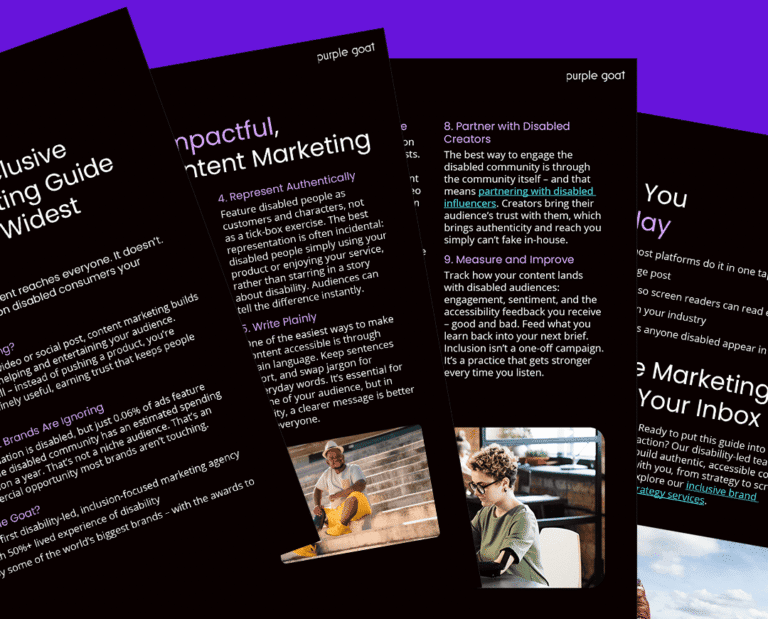
The Ultimate Inclusive Content Marketing Guide: Download Now
Learn how to create content that reaches your widest audience yet.
Ethical marketing is no longer something that companies can ignore. Today’s consumers expect brands to stand for something beyond profit, and in a saturated market, they’re increasingly willing to reward those that do. For CMOs, marketing directors, and other marketing professionals, ethical marketing offers a powerful opportunity to increase trust and long-term growth, as well as to create meaningful impact in society.
In this article, we’ll explore what ethical marketing means, why inclusive values are central to it, and seven ethical marketing examples from brands that are getting it right!
Ethical marketing refers to marketing practices that are honest, transparent, socially responsible, and aligned with a brand’s core values. It considers the broader impact of marketing decisions on society, culture, and the environment.
To put it simply, ethical marketing can be defined with this question: Is this the right thing to do for our audience, our communities, and the world we operate in?
Ethics matter because consumers are paying attention.
Research consistently shows that people prefer brands whose values align with their own. Inclusive branding, in particular, plays a critical role in this by ensuring campaigns don’t exclude, stereotype, or marginalise any communities.
Embedding ethics into marketing strategies is the smartest thing to do, as it protects brand reputation, reduces risk, and strengthens long-term customer relationships.

Ethical marketing starts with truth and honesty. From pricing and commitments, to representation and messaging, being transparent with your brand’s values and activities builds credibility and your customers will love it.
Brands have influence and power, and customers want to see companies use it wisely. This includes supporting social causes, advocating for DE&I, and contributing positively to communities.
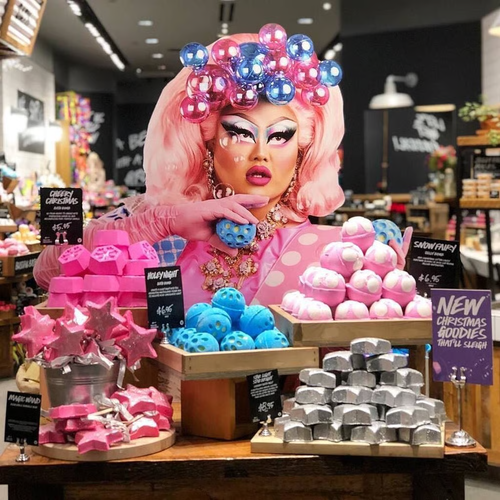
A great example of this is LUSH, a brand that consistently campaigns for human rights, animal protection and environmental justice.
In a world where information is such a powerful commodity, people want to know that brands respect and value them. This means protecting their data, avoiding manipulation, as well as recognising the diversity of lived experiences in society.
Environmental responsibility is also an obvious pillar of ethical marketing. Climate crisis conversations and the impact of mass production are far and wide, and consumers expect brands to minimise its impact, communicate honestly about sustainability efforts, and avoid greenwashing.
True ethical marketing must have everyone in mind, and, therefore, be inclusive. That means representing communities that have been forgotten about for too long, like Disabled consumers, ethnic minorities, LGBTQIA+, and other underrepresented groups, and do it authentically, not as an afterthought, but as a strategic priority.
And we’re not just saying all of this because it’s a nice thing that brands should do. There are real, tangible benefits of creating ethical and inclusive marketing that go from customer loyalty to higher ROI. These are some of them:
The more clear your messaging and activities are, the more it will encourage customers to stay loyal, even in competitive markets.
When products and prices are similar, values become a key differentiator. Ethical brands stand out to customers by what they stand for.
Ethical marketing isn’t just a momentary strategy, it supports sustainable growth. Brands that invest in trust, inclusion, and responsibility are better positioned for long-term success!
Having ethical and inclusive marketing isn’t a risky thing to do. On the contrary, strong ethics reduce reputational risk and strengthen brands.
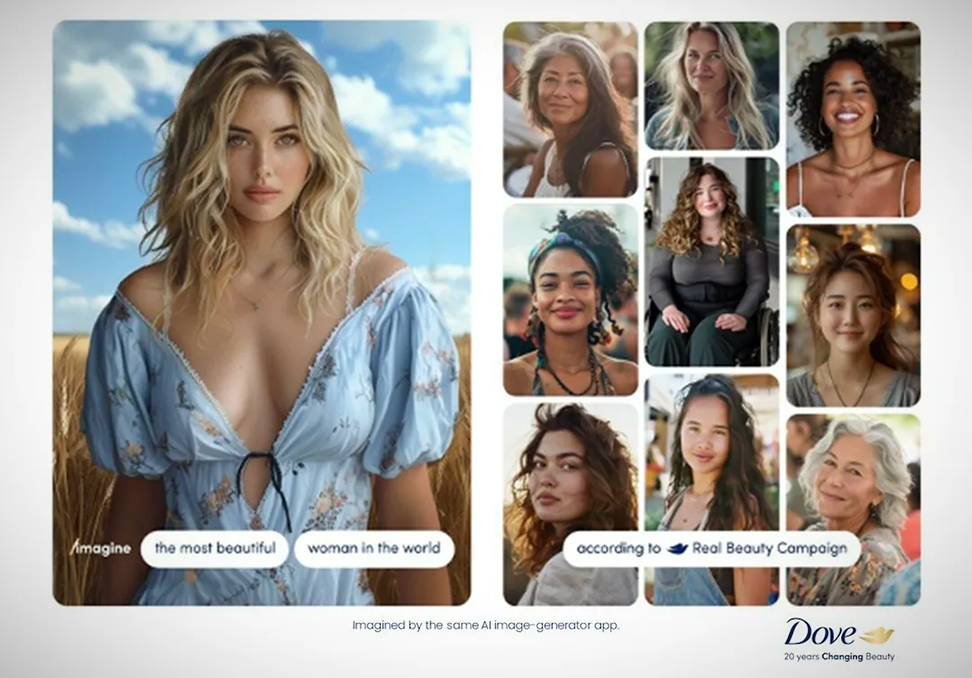
Dove has been challenging beauty standards for years, by featuring real women of different ages, body types, and ethnicities, and most recently, highlighting the impact AI images can have on young women, setting a benchmark for inclusive, ethical marketing.

Patagonia is a renowned brand committed to the environment, and it goes beyond messaging. Its ethical marketing is backed by tangible action, from sustainable supply chains to encouraging consumers to buy less.
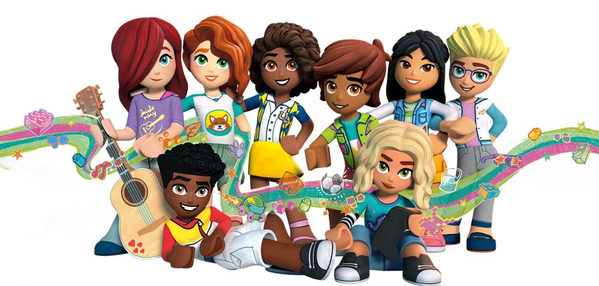
LEGO has made significant strides in inclusive representation, introducing diverse characters, including Disabled ones, and accessible play experiences that reflect real-world experiences.
Ben & Jerry’s is another company that openly campaigns and uses its platform to address social justice issues, aligning activism with brand values in a way that feels authentic rather than opportunistic. And while other brands might see them as “too risky”, everyone loves some B&J’s, so they must be doing something right.
Microsoft leads in ethical marketing by prioritising accessibility, designing products and campaigns that include disabled people and champion digital inclusion. We’re big fans of Microsoft at PG!

Similar to LUSH, another pioneer in the beauty industry is The Body Shop. They have long championed fair trade, cruelty-free products, and community empowerment.
It’s easier than you think!
Ethical marketing only works when values are embedded across strategy, not bolted on to specific campaigns such as Christmas adverts. Marketers should ensure ethics and inclusion are included in every touchpoint.
From consumers to creators, ethical brands work with everyone respectfully. This also includes responsible influencer partnerships that focus on authenticity and trust.
A great sign of ethical brands is working with agencies, suppliers, and media partners that align with your ethical standards, especially when it comes to inclusion and representation.

Inclusive marketing is evolving rapidly, with greater focus on accessibility, intersectionality, and co-creation with underrepresented communities, it’s important to see brands showing their commitments in this area.
Consumers are more informed and vocal than ever, especially on social media. Brands that fail to act ethically risk being called out and lose customers.
CMOs and marketing professionals are uniquely positioned to lead ethical transformation in their industries by embedding values into strategy, measurement, and culture, not just messaging.
Ethical marketing, like inclusive marketing, isn’t about perfection, but about progress, accountability, and genuine long-term commitment. At Purple Goat, we help brands build strategies that are ethical, inclusive, and commercially effective.
Take the Next Step Toward an Inclusive Brand Strategy 👇