The Ultimate Inclusive Content Marketing Guide: Download Now
Learn how to create content that reaches your widest audience yet.
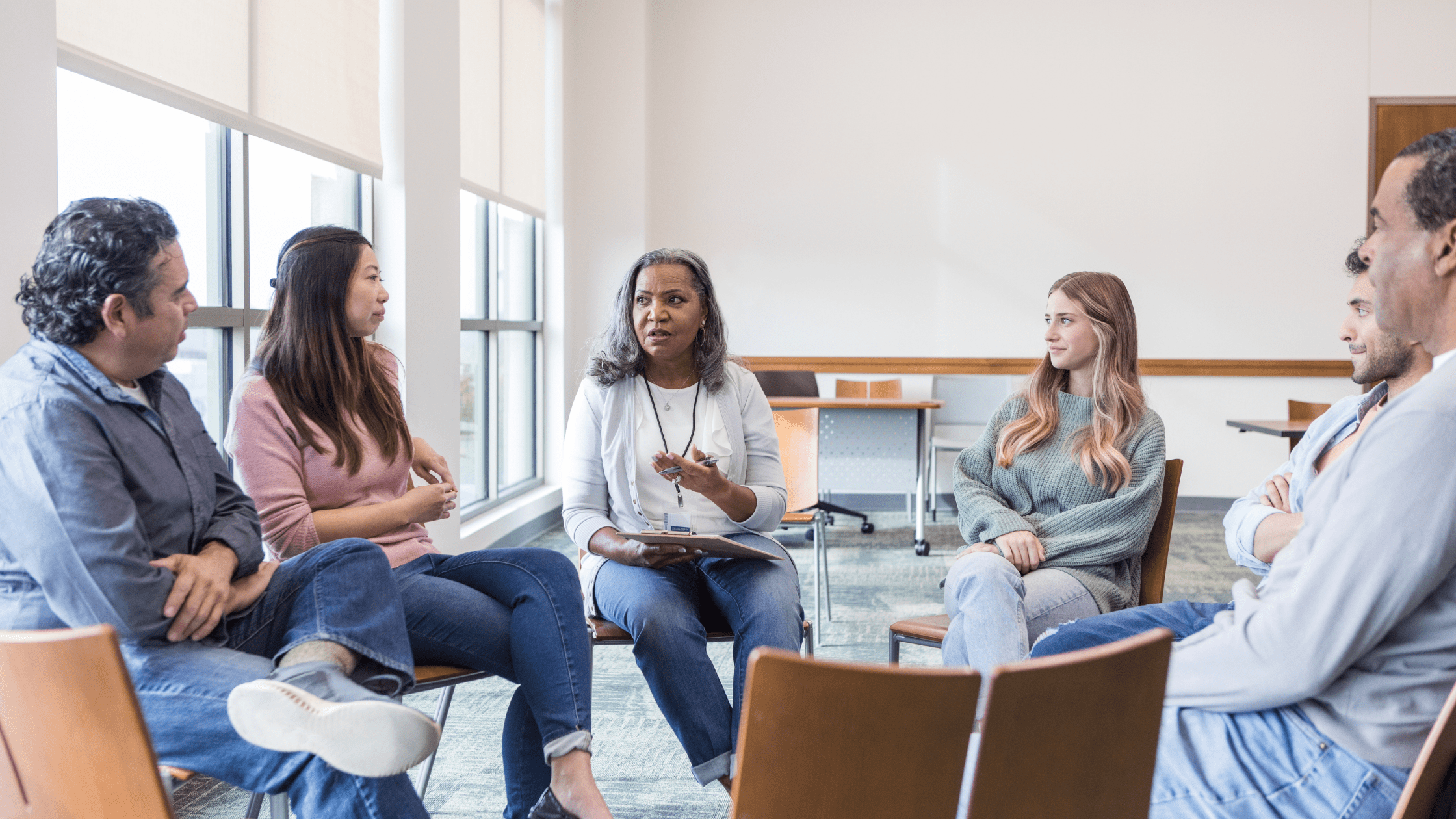

When it comes to the DEI (Diversity, Equity and Inclusion) industry, a lot of brands are beginning to move into the events space – just think of the amount of webinars, virtual events and in-person demonstrations that are now on offer. If there is an awareness day or week, you can usually expect some kind of dedicated event, something that ponders the ‘how’ of ‘how to do disability’, raises awareness of DEI issues, or celebrates a particular community or group.
And when it comes to DEI events, access and accessibility are not just about a physical set up, such as making sure that there are enough seats for everyone, as well as having ample room for wheelchair transfers. People need to be seen and considered along with the physicality of the situation – they are not just a tick-box in getting them to the event. Measures need to take a pan-disability approach when it comes to hosting a DEI centric event (that same approach should be in place for every other event as well). But more on that in a second.
Accessibility and all its considerations can be daunting when it comes to event planning – but we have developed four separate ‘pillars’ to consider as a starting point, with an emphasis on the person, and not the place.
A DEI event, like any other event, is a chance to get people together either to educate, celebrate or network. The DEI aspect comes when the event or the company is specifically focused on inclusion and diversity in some way.
Now, let’s talk about some of the things you need to keep in mind for your next DEI event.
An individual person can have more than one disability or condition, which may at times mean they have more, or even conflicting, access needs.
As an example: an individual who has Sensory Processing Disorder (also known as SPD) may also have Cerebral Palsy. This would mean that a quiet or silent environment is needed (like a quiet room), along with a space to sit down, and/or enough room to transfer from a wheelchair, if they’re using one. Both ‘needs’ are present, and should be considered equally when it comes to planning, without the approach of a hierarchy. The access needs in this scenario have an intersection.
Therefore, a pan-disability approach, where access needs are considered as an intersectional concept, needs to be used. Think about more than just ‘is there a step free entrance?’ Is there a quiet room? And is the quiet room reserved for people who need it – and not people who just want a space to take a Zoom call? Yes, this has happened to me more than once.
Repeat after me: communication is not just spoken, communication is not just spoken, communication is not just…
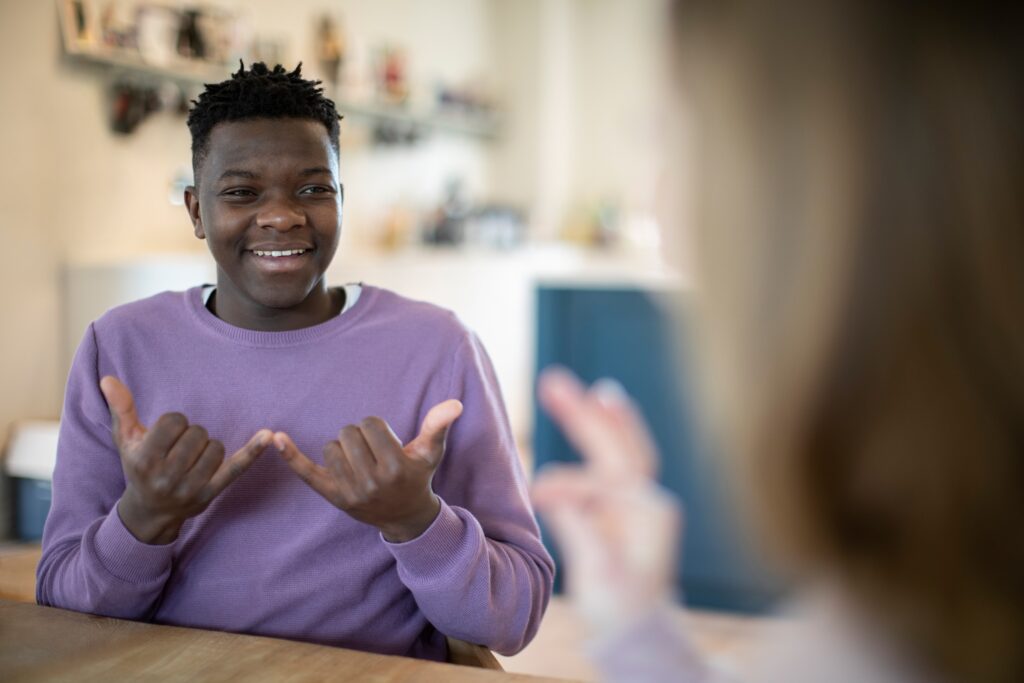
Disability may mean that communication happens in a non-verbal way, which is equally as valid. When hiring a speaker, this should be considered. Are you hiring someone who is Autistic? They may not be able to ‘do’ phone calls – and that should be respected, such as instead communicating via email. And if you are hosting a panel or webinar, consider allowing access to the interview questions beforehand, to allow adequate processing time. Having cue cards in Braille is another simple measure, too. And if there is a need for call times, such as at a large scale conference, consider having an easy-read guide for people who have an intellectual disability. Another easy measure is to ensure a sign language interpreter is available, if needed.
It’s important to remember that individuals who have a speech related disability should be considered at these types of events, asking how to adapt for them is such an easy way to look at your own event’s accessibility.
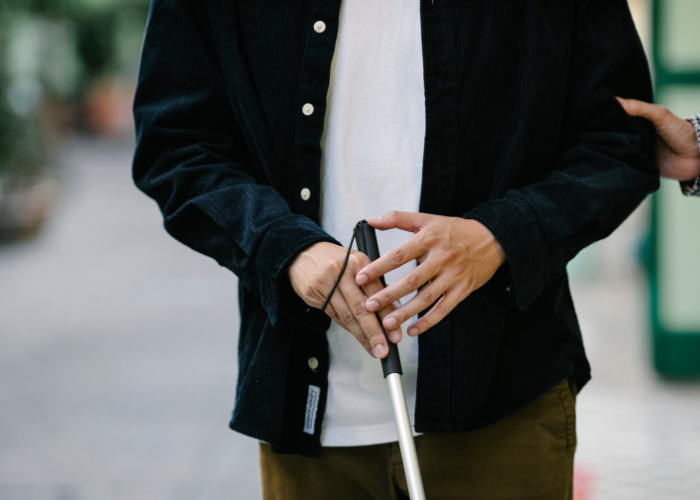
Disability is not something that can always be seen, contrary to the usual social media row eruptions. And that includes energy limiting conditions such as ME, PCOS, hEDS, among many others. Regardless of age, people may need to use a wheelchair or a cane to walk or to travel – and ambulatory use is also valid.
Even if you are only running an event that involves drinks or a networking slot – something which is not just exclusive to the DEI space – there needs to be adequate seating for all involved. Disability is not something to ‘just get on with’; seating means that we can take part in events! And we can take part with far less of a negative impact, too.
Let’s make 2025 the year that seats are no longer contested! If you are planning an in-person event, ask your hired talent and audience about seating proactively – such as if they need a reservation. Consider making the information around seating more available without us having to search for long periods of time; it would be refreshing to see a website have this information upfront and made clear to all involved.

Everything in life begins with words – the good, the bad, the ugly, and every single thing in-between. When it comes to disability and the DEI space, language is one of the most tricky and contested areas; however, it is also the first point of contact with DEI events. We owe it to ourselves to be aware of language, its implications, and to not dehumanise anyone as a result. Language can be seen as an obstacle for some people, if they are not comfortable with the right terminology, but the best thing you can do is ask! Ask your audience and speakers what terms they would prefer, you don’t have to have all the answers, but you can be proactive and try to find them.
When planning an event that utilises disabled speakers, consider taking on DEI consultants who are also disabled themselves; listen to feedback from disabled people, and be prepared to be held accountable. Even just a quick Google can go a long way when it comes to running a DEI event – we are people, too. A simple question could be ‘how do you like to talk about your disability?’
DEI events are here to stay – but we all have an obligation to be learning about accessibility, it’s both the ‘right’ thing to do, as well as the ‘smart’ thing to do for any company.
The team at Purple Goat are a group of experts that can help you organise the most accessible and inclusive event possible!